

Catalog of Green Stone about COVID-19 Antibody Kit
| Test target | Catalog | Discription | Applicaion | Note | Size |
| nCoV-N01 | COIVD-19 N protein | 0.5 mg | |||
| COIVD-19 Antibody Kit (GICA) | nCoV-N02 | COIVD-19 N protein | Capture / Detection | ELISA / Lateral Flow | 0.5 mg |
| nCoV-N03 | COIVD-19 N protein | 0.5 mg | |||
| nCoV-S2-01 | COIVD-19 S2 protein | 0.5 mg |
Total anti-COIVD-19 antibody tests were positive in 93.1% of 173 NCP patients,which were diagnosed as by Nucleic acid reagents
We have Coronavirus Test.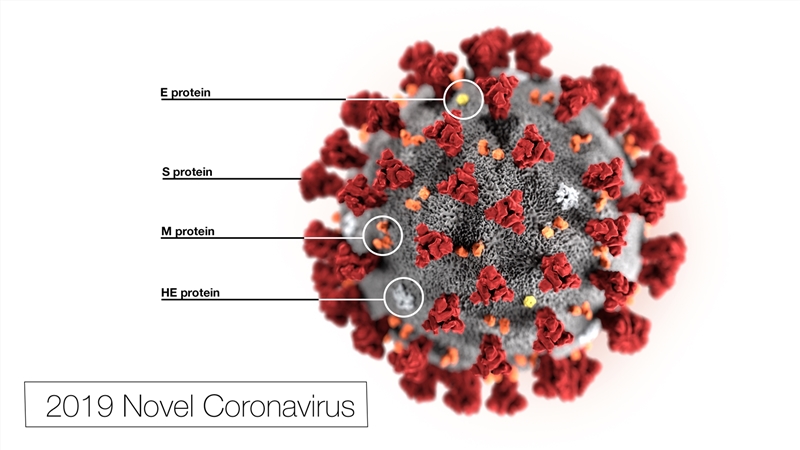
The clinical experiment shows that total COIVD-19 antibody tests were positive in 93.1% of 173 NCP patients,which were diagnosed as by nucleic acid reagents.
Instructions of COIVD-19 Antibody Kit (GICA, Rapid Card) (PDF)
Intended Use
This product is used for qualitative detection of IgG and IgM antibodies of new coronavirus in human serum, plasma or whole blood in vitro. Coronavirus (CoV) belongs to the genus Nestiviruses, and the Coronavirus family is divided into three genera: α, β, and γ. The genus α and β are only pathogenic to mammals. The genus genus mainly causes bird infections. CoV is mainly transmitted through direct contact with secretions or through aerosols and droplets. There is also evidence that it can be transmitted through the fecal-oral route. So far, there are 7 human coronaviruses (HCoV) that cause human respiratory diseases: HCoV-229E, HCoV-OC43, SARS-CoV, HCoV-NL63, HCoV-HKU1, MERSCoV, and new coronavirus (2019). Important pathogens for human respiratory infections. Among them, the new coronavirus (2019) was discovered due to Wuhan virus pneumonia cases in 2019. The clinical manifestations are systemic symptoms such as fever and fatigue, accompanied by dry cough and dyspnea, etc., which can rapidly develop into severe pneumonia, respiratory failure, and acute breathing. Distress syndrome, septic shock, multiple organ failure, severe acid-base metabolism disorders, etc. are even life-threatening.
Main Composition
The test card consists of a test strip shell and a test strip. The main components of the test strip are: sample pad, binding pad (including Monoclonal antibody against human IgG of coated mice、Monoclonal antibody against human IgM of coated mice、2019 New Coronavirus Recombinant Antigen、Polyclonal antibody of sheep to mouse IgG、Mouse IgG、nitrocellulose membrane, glass cellulose membrane) and absorbent solution Main components: sodium chloride 8.775g / L, sodium hydrogen phosphate 7.1g / L, casein peptone sodium salt 5g / L.
Test Method
The test method is colloidal gold method. Please read this manual and the instrument operation manual carefully before use.
Test Procedure: 
1. If the sample is stored refrigerated or frozen, remove the test sample and the required reagent from the storage conditions and equilibrate to room temperature (15-30 ° C). After thawing, mix the samples thoroughly before testing.
2. When preparing to test, open the aluminum foil bag from the tear. Remove the test card and lay it flat on a horizontal table.
3. Mark the sample number on the test card.
4. Use a sample gun or a dropper to draw 10µl of the sample to be tested (serum, plasma or whole blood sample) from the sample tube into the sample well on the test card, and immediately add 2 drops (about 70 ~ 100µL) into the sample well. ) Dilute the sample and ensure that no air bubbles are generated during the operation.
5. Count the time and interpret the result within 15 minutes. Do not interpret the results after 15 minutes. After observing and recording the results, please discard the test card to avoid confusing the result judgment. For long-term storage, take photos of the results.
6. Remove the used test card and treat it as a potential biohazard.
Storage Conditions And Expiration Date
1. This product should be stored in a dry place at 2-30 ° C. The expiration date is 2 years.
2. The minimum packaging aluminum foil bag can be used within 1 hour after opening the bag under the environment of room temperature of 23 ~ 27 ℃ and humidity of not more than 75%.
Emerging CoV Detection Technology
The first step in identifying a virus diagnosis in the laboratory is virus isolation and culture. Specimens like swabs, nasal swabs, sputum or lung tissue, blood, and stool should be retained for testing. Various immunological methods can be used to quickly detect viral infections, such as immunofluorescence assay, protein microarray, direct fluorescent antibody assay, mAb-based rapid NP (nucleocapsid protein) detection, semiconductor quantum dots, and microneutralization tests. Serological tests can also be performed to identify CoVs based on the recognition between antibodies and antigens. In addition, viral nucleic acids can also be analyzed by polymerase chain reaction (PCR) assay, reverse transcription of the chain reaction (RT-PCR), reverse transcription loop-mediated isothermal amplification (RT-LAMP), and so on.
IVD Antibody & Immunoassay Development Services for Coronavirus Test
 Based on the specific recognition between antibodies and antigens, serological testing for SARS-CoV-2 will detect and / or quantify this new coronavirus in clinical blood samples, thereby helping to diagnose the disease. But first, antibodies and antigens should be raised against the virus. Green Stone has accumulated many years of experience in this field, and now provides services including antigen production, antibody R&D, design and development of immunoassays based on multiple technology platforms, such as turbidimetric assays, chemiluminescent assays, ELISA, and rapid tests.
Our Service Features
1. Fully flexible development services of staged products
2. Customized service packages can meet customer requirements of budgets, assay applications and schedules
3. The team of dedicated and experienced scientists will provide advice to ensure the success of the project
4. Fast response and efficient communication speed up the development of reliable diagnostic tests

 Welcome to contact us